
 314-395-9355
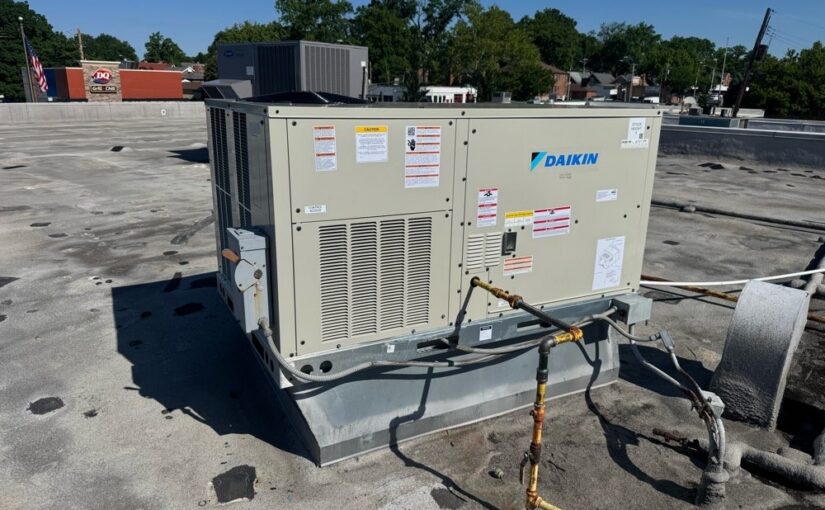
For many businesses, heating and cooling represents one of the largest ongoing operating expenses. An aging or inefficient commercial HVAC system can quietly consume more energy than necessary, driving up utility bills while delivering inconsistent comfort.
The good news? You don’t always have to wait for a complete system failure to make improvements. Strategic commercial HVAC upgrades can help reduce energy waste, improve system performance, and lower long-term operating costs.
Here are several ways modern HVAC technology can help your business use less energy and spend less on heating and cooling.
Newer Systems Are Built for Greater Efficiency
Commercial HVAC technology has come a long way. Older equipment can gradually lose performance over time, while modern high-efficiency systems are designed to deliver better output with less energy consumption.
According to APA HVAC Technologies, commercial heating and cooling can account for a significant portion of a building’s energy costs. Aging equipment, inefficient controls, and systems that no longer match a building’s needs can all contribute to unnecessary energy waste. Strategic upgrades, including high-efficiency equipment, can help address these problems and reduce operating expenses.
For businesses dealing with rising utility bills and aging equipment, upgrading to a modern system may provide an opportunity to improve efficiency while enhancing overall comfort and reliability.
Variable-Speed Technology Matches Output to Demand
Traditional HVAC equipment often operates at a fixed speed, meaning motors may run at full capacity even when your building doesn’t need maximum heating or cooling.
Variable-speed components, including variable frequency drives (VFDs), take a more efficient approach. They allow fans and pumps to adjust their speed based on actual demand rather than constantly operating at full blast.
APA HVAC Technologies explains that VFDs can significantly reduce energy use by matching motor speed to system demand. They can also reduce mechanical stress on equipment, helping to improve reliability and potentially reduce repair needs over time.
For commercial buildings with changing occupancy levels or fluctuating heating and cooling demands, this flexibility can make a meaningful difference in energy consumption.
Smart Controls Help Prevent Wasted Runtime
One of the biggest sources of HVAC energy waste is conditioning spaces when no one is using them.
Smart thermostats, zoning controls, and building automation systems give business owners and facility managers greater control over when and where heating and cooling equipment operates. Instead of relying on outdated schedules or manual adjustments, modern controls can help coordinate HVAC operations around actual occupancy and changing conditions.
These systems can support occupancy-based scheduling, automated temperature setbacks during nights and weekends, zone-level control, and improved coordination between HVAC components. APA HVAC Technologies notes that modern building automation can also provide fault detection and diagnostics, helping identify operational inefficiencies before they develop into larger, and more expensive problems.
The result is less wasted runtime and more control over your building’s energy use.
Properly Sized Equipment Avoids Unnecessary Energy Waste
Bigger isn’t always better when it comes to commercial HVAC equipment.
Systems that are oversized or undersized can operate inefficiently. Equipment that is too large may cycle improperly, while undersized equipment may have to work excessively hard to meet demand. Either situation can contribute to unnecessary energy consumption and increased wear.
A commercial HVAC upgrade provides an opportunity to evaluate how your building is actually being used today. Changes in occupancy, renovations, operating hours, or building layout can all affect heating and cooling requirements.
Choosing equipment that is properly matched to your building’s needs can help improve performance and avoid paying for capacity you don’t need.
Utility Rebates Can Help Offset Upgrade Costs
The upfront cost of a commercial HVAC upgrade is an important consideration, but it’s only part of the financial picture.
Depending on your location and the equipment being installed, utility incentive programs and other available rebates may help reduce the initial investment in qualifying energy-efficient upgrades. These incentives can make modernization more financially accessible while allowing businesses to begin benefiting from lower energy consumption sooner.
Before moving forward with an upgrade, it’s worth discussing available options with a qualified HVAC professional.
Fewer Repairs and Lower Long-Term Operating Costs
Energy savings aren’t the only financial benefit of improving your HVAC system.
Older equipment often requires increasingly frequent repairs as components wear and performance declines. Modern systems and upgraded components can help improve reliability and reduce the strain associated with inefficient operation.
Preventative maintenance also remains an important part of protecting your investment. The U.S. Department of Energy’s Better Buildings initiative estimates that organizations can save approximately 5% to 20% annually on energy bills by following operations and maintenance best practices. Proper maintenance can also improve performance and help prolong the life of commercial HVAC equipment.
Combining efficient equipment with proactive maintenance can help businesses control both energy and repair costs over the long term.
Better Monitoring Helps Catch Problems Early
Modern commercial HVAC systems offer improved monitoring and diagnostic capabilities that can make inefficiencies easier to identify.
Rather than waiting for a complete breakdown, advanced controls and diagnostic systems can help detect performance problems early. That may allow building owners and facility managers to address issues before they result in excessive energy use, costly repairs, or unexpected downtime.
Upgrade Your HVAC Strategy and Start Reducing Energy Waste
A commercial HVAC upgrade isn’t simply about installing newer equipment. The right improvements can help your building operate more intelligently, respond to actual demand, reduce wasted runtime, and lower long-term operating costs.
Whether you’re considering high-efficiency equipment, variable-speed technology, smart controls, or a broader system upgrade, the first step is understanding where your building may be wasting energy.
Ready to explore ways to improve your commercial HVAC efficiency? Contact Xcell Heating & Cooling to discuss your system and the opportunities available to improve performance, reliability, and energy efficiency.
.