
 314-395-9355
For a business, an HVAC failure is more than an uncomfortable room. It can mean lost revenue, spoiled inventory, unhappy employees and customers, or even a temporary shutdown. The difference between a minor disruption and a major business loss often comes down to one thing: having a plan before an emergency happens.
What Counts as a Commercial HVAC Emergency?
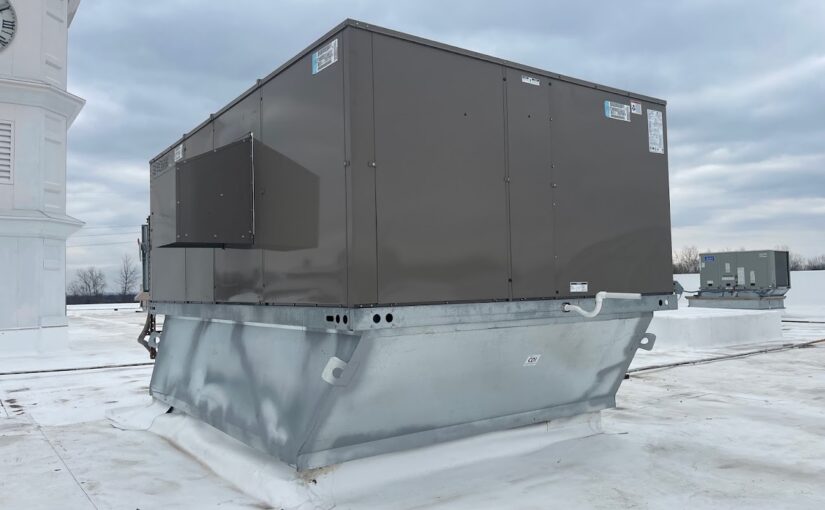
Commercial HVAC emergencies can take several forms. A total system failure during extreme heat or cold can quickly make a facility difficult or unsafe to occupy. Refrigerant problems may cause unusual odors or ice buildup. Electrical problems accompanied by a burning smell or sparking require immediate attention. Water leaks can damage equipment, inventory, ceilings, or flooring. And a rooftop unit failure can affect multiple areas of your building at once.
Step 1: Know Who to Call Before It Happens
An emergency shouldn’t begin with a frantic Google search. Save your commercial HVAC provider’s number now and make sure key employees know where to find it.
Even better, confirm that your provider offers true 24/7 emergency response — not simply service during normal business hours. Xcell Heating & Cooling provides 24-hour commercial HVAC service, including emergency response when an unexpected shutdown threatens productivity or product loss.
Step 2: Assess Immediate Risks
Safety comes first. If you notice sparking, a strong burning smell, or a gas odor, evacuate the affected area and follow your building’s emergency procedures.
If it is safe to do so, protect equipment and inventory by moving sensitive products away from leaks and covering vulnerable electronics. Shut down the affected HVAC equipment only when appropriate or when instructed by a qualified professional.
Step 3: Communicate with Staff and Customers
Have a simple communication plan. Know who will notify employees and who will communicate with customers if service is interrupted.
For retail stores, restaurants, offices, and other customer-facing businesses, transparency is better than silence. If necessary, use temporary solutions such as fans, portable heating or cooling equipment, adjusted hours, or temporary customer-routing procedures.
For additional tips on breaking out of a reactive, “firefighting” approach to HVAC problems and building more effective processes, check out this helpful resource from the Air Conditioning Contractors of America (ACCA).
Step 4: Minimize Business Disruption
While repairs are underway, look for ways to keep essential operations moving. Portable spot coolers or heaters can provide temporary relief. Non-essential meetings or appointments may be rescheduled, while office-based businesses may be able to shift employees to remote work.
Step 5: Prevent the Next Emergency
Once the immediate crisis is resolved, look at what caused it. Preventive maintenance can help identify problems before they become costly failures. Xcell Heating & Cooling offers commercial maintenance services and membership options designed to keep systems maintained and provide scheduling benefits.
Why Response Time Matters
Every hour without heating or cooling during extreme weather can increase the potential for lost sales, damaged products, uncomfortable employees, and frustrated customers. Fast response helps protect both your physical facility and your reputation.
Don’t wait for an HVAC emergency to create your business continuity plan. Contact Xcell Heating & Cooling about commercial maintenance today and save our emergency number before you need it.